


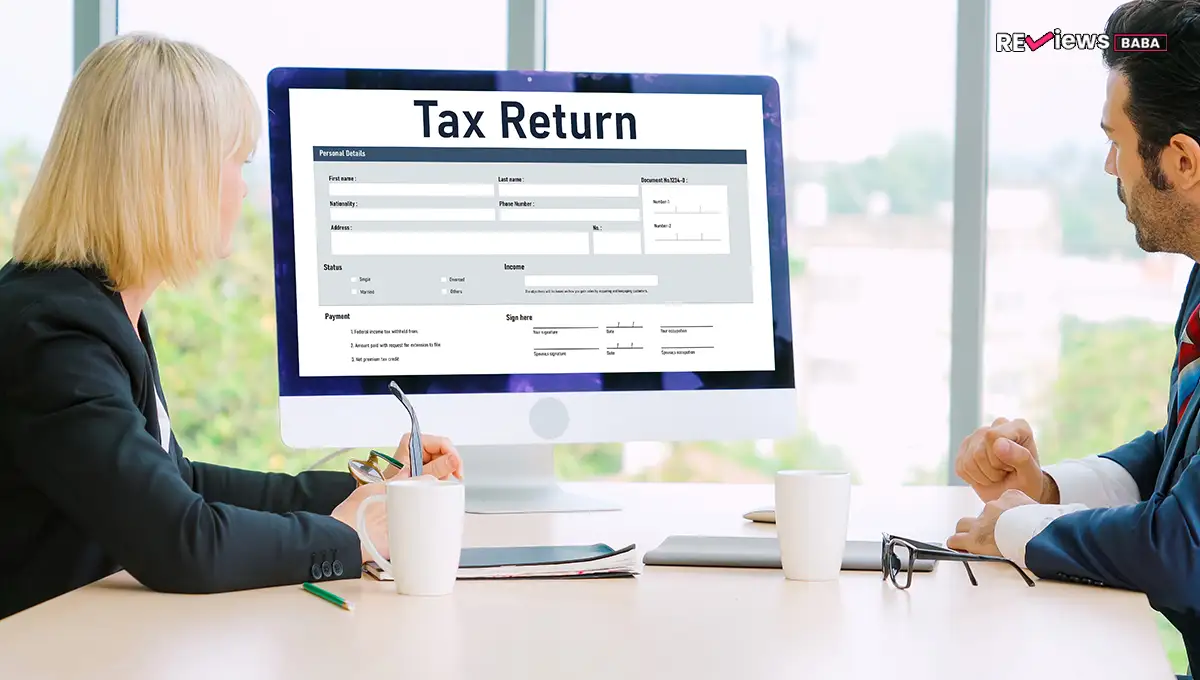
Filing Your Tax Return: Everything You Need to Know
Filing taxes is one of the most critical annual responsibilities for every individual living and earning an income in the United States. Though it looks confusing at the beginning, understanding how to file your taxes the right way can save individuals from federal law non-compliance and penalties, while offering any refund they might be due.
Taxpayers often look for guidance from the IRS and well-established entities like AARP in order to get a better insight into the tax rules, working out filing requirements. This guide is designed to walk you through the entire tax filing process in a clear, practical, and easy-to-follow way, so that you will feel confident about filing your tax return.
What the U.S. Is the Tax System?
The USA has a pay-as-you-earn taxation system, where the federal income tax is deducted throughout the year. The majority of people have to file a yearly income tax return to declare the income earned and assess whether they are liable for income tax or eligible for a refund.
Important terms that need to be understood:
- Tax year: The calendar year in which income was made.
- Tax Return: The return filed with the IRS reflecting income and taxes.
- Deadline to file: In April, but later with filing of extension.
The Internal Revenue Service (IRS) is the federal agency responsible for administering and enforcing tax laws at the federal level. But remember that tax returns are filed at the state level as well.
When Are You Required to File Taxes?
Not everybody is obligated to file a tax return, but many people will still benefit from filing.
You generally need to file if:
- Your income exceeds IRS filing thresholds
- You are self-employed or earn freelance income
- Taxes were withheld from your paycheck
- You qualify for refundable tax credits
Even if your income is less than the filing threshold, you may want to file a tax return because you could be entitled to a tax refund if federal income tax was withheld from your income.
Students, part-time workers, and those receiving side income should pay extra attention to their filing requirements, as regulations can change with the type of income earned and the individual's filing status.
Documents You Need Before Filing Your Taxes
Having the right documents ready can make filing your tax return much smoother. Here are the essential documents you'll need:
|
Document Name |
What's the Need |
|
W-2 Forms |
Reports your employment income and taxes withheld by your employer |
|
1099 Forms |
Documents freelance, contract, or other non-employee income |
|
Income Records |
Tracks interest, dividends, unemployment benefits, and other earnings |
|
Social Security Numbers |
Required for yourself and all dependents you claim |
|
Bank Account Details |
Enables direct deposit of your tax refund for faster processing |
Keeping accurate records helps ensure your return is complete and reduces the risk of errors or delays.
How to File Your Taxes: Step-by-Step
Filing your tax return doesn’t have to be a daunting task. Follow these five steps to ensure that you file your tax return effectively while also optimizing your refund amount.
Step 1: Choose How You Will File
There are several filing options you have to choose from depending on your comfort level. Online filing packages have become the choice of most taxpayers due to their efficiency.
There is free filing if you qualify with the IRS Free File program. Alternatively, you can do it the paper way where you submit your returns through the post. There was professional help in filing too.
Step 2: Determine Your Filing Status
Your filing status determines some of the factors that exert an influence on the rates of tax that you must pay, as well as the tax liability that you qualify for.
The six main filing statuses are 'Single,' 'Married filing jointly,' 'Married filing separately,' 'Head of Household,' and 'Qualifying Widow(er).'
Step 3: Report All Income
The IRS expects you to account for all the sources of taxable income you earned and report them on the tax return. This amount comprises earnings derived from employment, freelancing, interest earned from saving accounts, and side jobs.
The failure to account for the source of your income will result in the IRS auditing your file, and you will pay penalties and interest.
Step 4: Claim Deductions and Credits
Deductions and credits are powerful strategies to lower your taxes and grow your refund. Many taxpayers qualify for the standard deduction, an amount fixed based on filing status.
Alternatively, itemizing deductions could be more valuable if you have qualifying expenses. "Tax credits" directly lower your taxes, with some credits offering more money back than you owe.
Step 5: Review and Submit Your Tax Return
Before you submit, double-check every area of your return to ensure accuracy and completeness. Double-check names, numbers of your Social Security, figures of income, and bank account information for direct deposit.
After filing electronically or mailing, the IRS will process your return and will send confirmation of acceptance. File your copies of returns filed and all supporting documents for at least three years.
Successfully completing these five steps ensures your tax return is filed correctly and on time, helping you avoid penalties while securing any refund you're owed.
What Happens After You File? Tax Refund and Tracking
The IRS processes the information you provide through filing your tax return to determine whether you should pay more in taxes or are due a refund.
Tax refunds take a few weeks, and electronic filers have the fastest time, with direct deposit being an even quicker way of delivery.
You can track your refund status using official IRS tools, though delays might be experienced if information verification is needed, errors come up, or when additional review is necessary.
Common Tax Filing Mistakes to Avoid
Filing mistakes can slow down processing or cause compliance issues. Here are the most common errors and how to prevent them:
|
Common Mistake |
Solution |
|
Entering incorrect Social Security numbers |
Double-check all SSNs against official documents before submitting |
|
Forgetting to report income |
Gather all W-2s, 1099s, and income statements; cross-reference with records |
|
Selecting the wrong filing status |
Review IRS filing status criteria carefully or consult a tax professional |
|
Making calculation errors |
Use tax software with built-in calculators or have a professional review your return |
|
Not keeping copies of filed returns |
Save digital and physical copies of all returns and supporting documents for at least three years |
Taking these preventive steps ensures your tax return is accurate, complete, and processed without unnecessary delays or complications.
Final Thoughts
Knowledge about doing taxes will empower you and give you the confidence to take charge of your financial obligations. Despite the fact that doing taxes is perceived as having high levels of stress, having knowledge and facts that eliminate confusion will play an important part in minimizing errors in doing taxes.
If you opt to do the taxes on your own or take advantage of trusted learning materials such as the AARP, making well-informed decisions will play an important part in helping you do your federal income taxes accurately.
FAQs
- 1. How do I file taxes by myself?
Gather your tax documents, choose IRS-approved software or Free File, enter your information accurately, claim deductions, review carefully, and submit electronically for faster processing.
- How to file tax returns on your own?
Use online tax software, IRS Free File, or paper forms. Report all income, select your filing status, claim eligible deductions and credits, then submit your return.
- Do I have to file taxes if I made under $5000?
Filing may not be required, but you should file if taxes were withheld from your paycheck to claim a refund or if you qualify for refundable tax credits.
- How do taxes work for beginners?
The IRS collects income tax throughout the year. You file an annual return reporting earnings, calculating what you owe or your refund, using forms like W-2s and 1099s.